
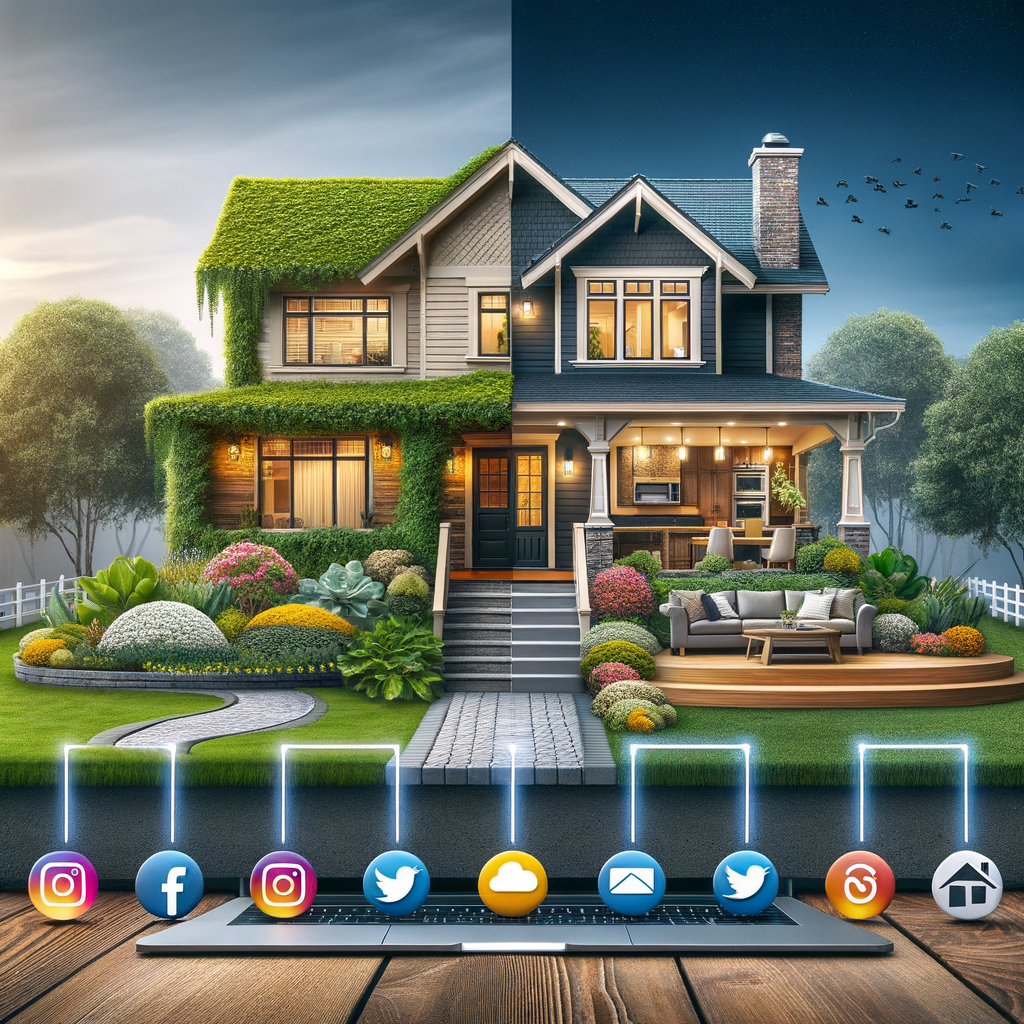
In the digital age, where first impressions often occur online, the concept of curb appeal has evolved beyond the physical realm. Traditionally, curb appeal referred to the attractiveness of a property as viewed from the street, a crucial factor in real estate that could make or break a sale. However, with the advent of digital platforms and online real estate listings, curb appeal has taken on a new dimension.
The Evolution of Curb Appeal
Historically, curb appeal was about the immediate visual impact of a property. A well-maintained lawn, fresh paint, and clean windows were essential elements. Today, while these physical aspects remain important, digital curb appeal has become equally critical. Potential buyers often form their first impression of a property through online photos and virtual tours. As such, the digital presentation of a home can significantly influence a buyer’s decision to visit in person.
Digital Curb Appeal: Key Elements
Digital curb appeal encompasses several components, including high-quality photography, virtual staging, and engaging video content. High-resolution images that showcase the property’s best features are essential. Virtual staging can help potential buyers visualize the space with furniture and decor, making it easier for them to imagine living there. Additionally, video tours provide a dynamic way to explore the property, offering a more immersive experience than static images alone.
Photography
Professional photography is a cornerstone of digital curb appeal. Well-lit, high-resolution images that capture the essence of a home can make a significant difference. It’s important to highlight unique architectural features, spacious interiors, and any recent renovations. Aerial shots from drones can also provide a comprehensive view of the property and its surroundings.
Virtual Staging
Virtual staging involves digitally furnishing a home to showcase its potential. This technique is particularly useful for vacant properties, as it helps buyers visualize how the space can be utilized. By presenting a warm and inviting atmosphere, virtual staging can enhance the emotional appeal of a property.
Video Tours
Video tours offer a more interactive way to experience a property. They can highlight the flow of the home, provide a sense of scale, and showcase the neighborhood. With the rise of social media, short video clips can also be shared easily, reaching a broader audience and generating more interest.
The Impact of Social Media
Social media platforms have become powerful tools for showcasing digital curb appeal. Real estate agents and homeowners can leverage platforms like Instagram, Facebook, and Pinterest to reach potential buyers. Engaging content, such as before-and-after renovation photos or live virtual open houses, can attract attention and drive traffic to listings.
Conclusion
In the digital age, curb appeal extends beyond the physical appearance of a property. It encompasses the entire online presentation, from photographs and virtual tours to social media engagement. As the real estate market continues to evolve, understanding and optimizing digital curb appeal will be crucial for sellers looking to make a lasting impression on potential buyers.
Leave a Reply