
Tag: tax incentives
-

Mortgage Closing Costs: What to Expect
Mortgage closing costs are fees paid when finalizing a home purchase, usually 2–5% of the loan. They cover services like appraisals, title insurance, and lender fees. Buyers can reduce costs by comparing lenders, negotiating with sellers, and reviewing loan estimates carefully.
-

How I Turned My Vacation Home into an Investment
The article “How I Turned My Vacation Home into an Investment” details the author’s journey of transforming a vacation home into a profitable rental property. Key steps include selecting a prime location, understanding market trends, renovating, effective marketing, providing excellent guest experiences, and managing finances. The author emphasizes adaptability and guest satisfaction as crucial to…
-

Using a Bridge Loan to Seize My Dream Home
The article discusses using a bridge loan to purchase a dream home without waiting for the sale of an existing property. Bridge loans provide short-term financing, allowing homeowners to make competitive offers. They offer speed and flexibility but come with higher interest rates and financial risks. Proper financial planning and consultation are essential.
-

The Importance of Good Neighbors in Selling Your Home
The article discusses the significant role good neighbors play in selling a home. It highlights how a supportive and friendly neighborhood can positively influence buyers by enhancing first impressions, curb appeal, community sense, security, and transaction smoothness. Good neighbors contribute to long-term neighborhood value, making them a key asset in the selling process.
-

Evaluating Offers: What Sellers Need to Consider
The article “Evaluating Offers: What Sellers Need to Consider” outlines key factors for property sellers to assess when reviewing offers. These include offer price, financing terms, contingencies, closing timeline, earnest money deposit, buyer’s flexibility, personal property requests, and market conditions. Sellers should weigh these elements to make informed decisions.
-

The Role of Open Houses in Today’s Market
The article discusses the evolving role of open houses in real estate, highlighting their traditional appeal and benefits, such as providing a tangible experience, immediate feedback, and networking opportunities. It also addresses challenges like security and effectiveness. Despite digital advancements like virtual tours, open houses remain valuable by offering a unique, firsthand experience. Combining traditional…
-

Mortgage Points: What Are They and Should You Pay Them?
Mortgage points are upfront fees paid to lower your loan’s interest rate. They can save money over time if you stay in your home long enough to reach the break-even point. Paying for points makes sense for long-term homeowners with stable finances but may not suit short-term buyers.
-
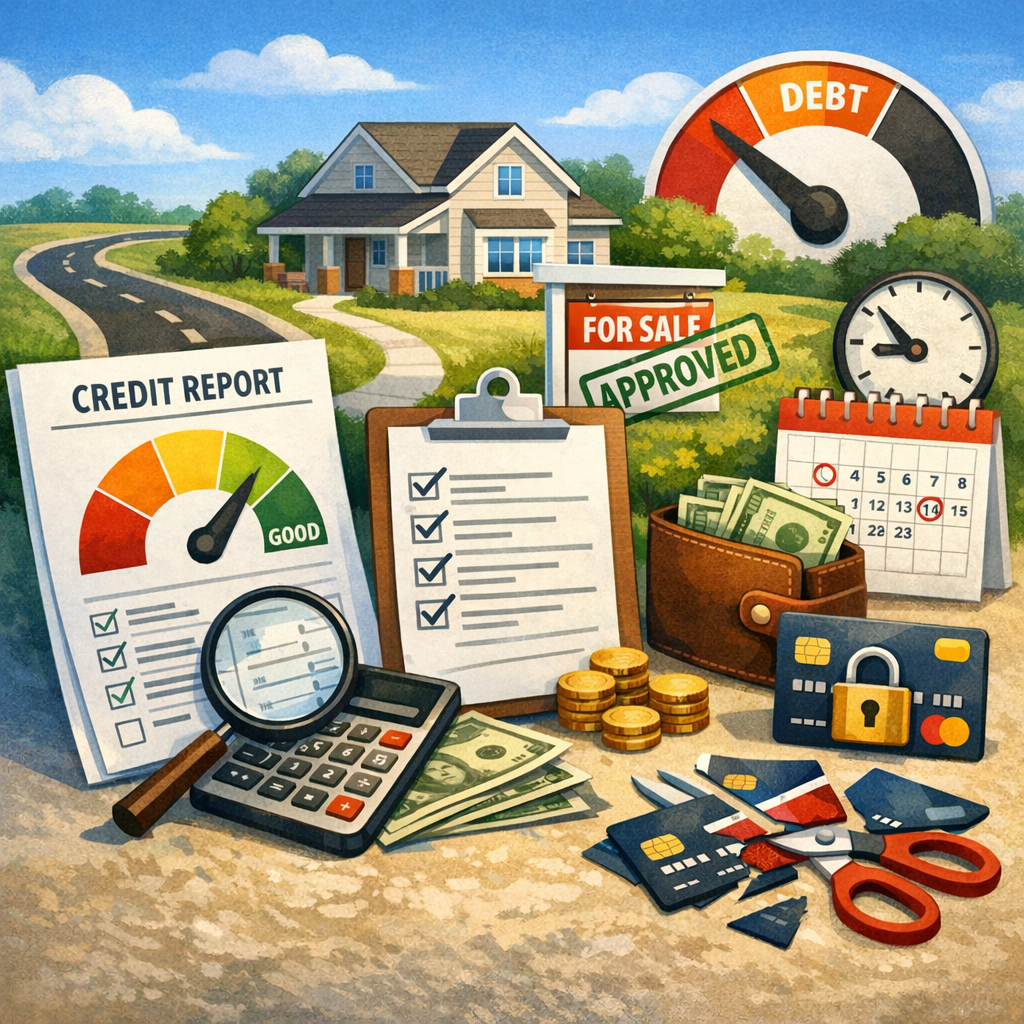
The Road to Repairing Credit for a Home Loan
The article “The Road to Repairing Credit for a Home Loan” outlines steps to improve credit scores for better home loan approval chances. Key strategies include understanding credit score factors, checking credit reports for errors, paying bills on time, reducing debt, avoiding new credit accounts, keeping old accounts open, and considering secured credit cards.
-

My Journey to Getting a Green Mortgage for an Eco-Friendly Home
The article details the author’s journey to secure a green mortgage for an eco-friendly home. It covers understanding green mortgages, researching eco-friendly homes, finding the right lender, and overcoming challenges like energy audits. The author highlights the benefits of reduced utility costs and environmental impact, encouraging others to consider green mortgages.
-

The Benefits of Making Extra Mortgage Payments
Making extra mortgage payments helps homeowners save on interest, shorten loan terms, and build equity faster. It boosts financial security and flexibility, but borrowers should check for prepayment penalties and ensure other financial priorities are covered first.
-
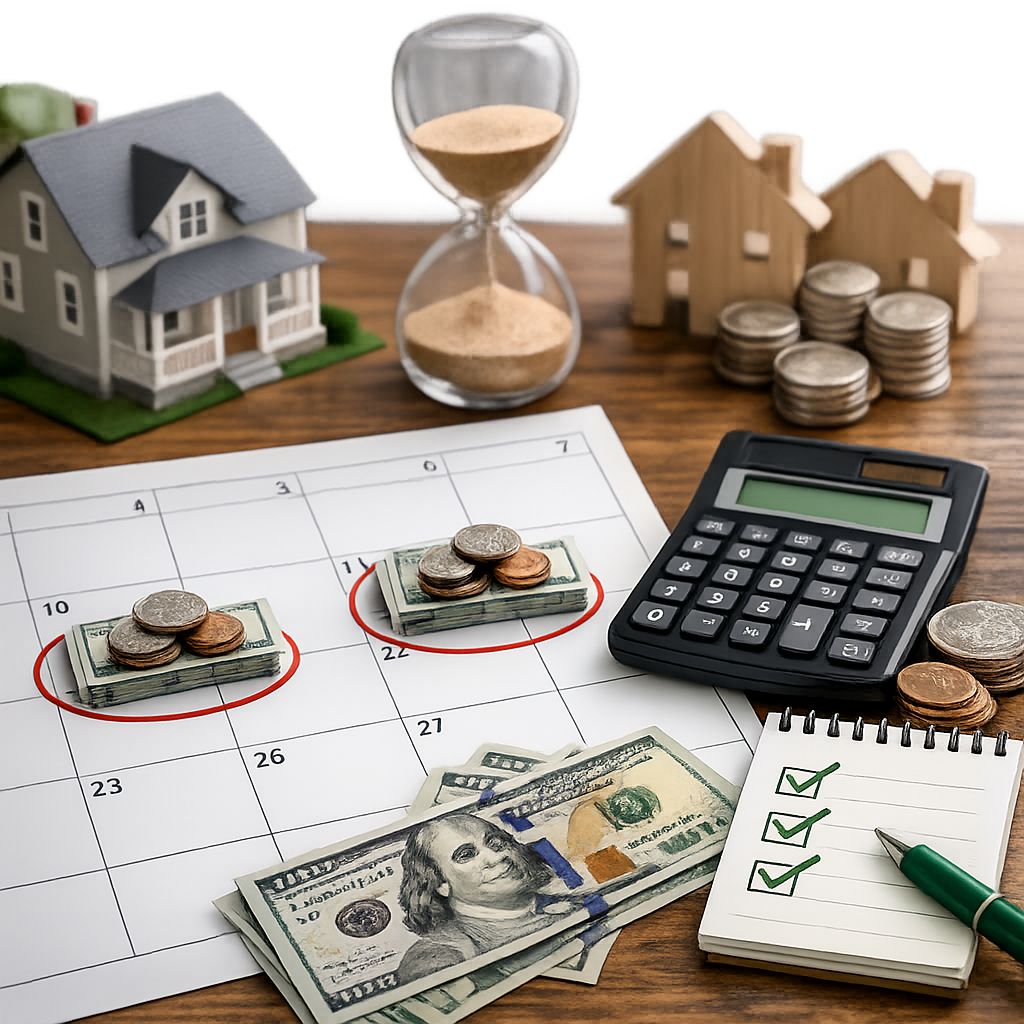
Biweekly Mortgage Payments: Pros and Cons
Biweekly mortgage payments involve making half-payments every two weeks, resulting in one extra full payment per year. This can reduce interest and shorten the loan term but may include fees and limit flexibility. Alternatives include making extra payments manually for similar benefits.
-

Escrow Accounts: How They Work in Mortgages
An escrow account, managed by a lender, collects funds from a borrower’s mortgage payments to cover property taxes and insurance. It ensures timely payments, offers convenience and budgeting help, but may reduce control and cause payment changes if costs fluctuate.
-

Reverse Mortgages: A Financial Tool for Senior Homeowners
A reverse mortgage lets homeowners 62+ convert home equity into cash without monthly payments. It offers income flexibility and allows seniors to stay in their homes but reduces equity over time and may affect inheritance. Understanding costs and obligations is key before applying.
-
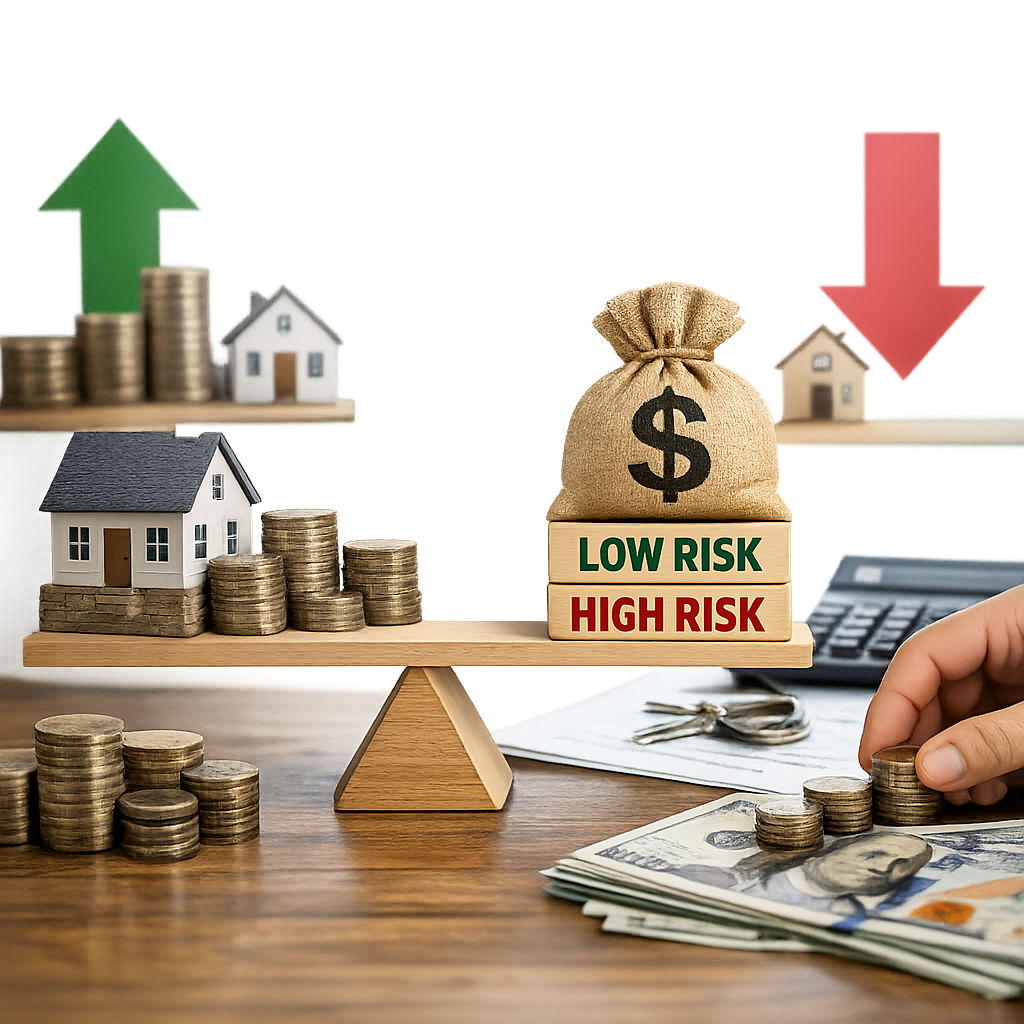
Understanding the Loan-to-Value Ratio (LTV)
The Loan-to-Value (LTV) ratio measures a loan amount against a property’s value, showing lender risk. Lower LTVs mean better rates and easier approval, while higher ones may require mortgage insurance. Borrowers can lower LTV by increasing down payments or reducing loan balances.
-

Navigating the Mortgage Refinancing Process: When and Why to Consider It
Refinancing replaces your current mortgage with a new one to lower rates, change terms, or access equity. It can cut costs or speed payoff but involves fees. Timing, goals, and loan terms matter—compare lenders and calculate savings to ensure refinancing fits your financial strategy.
You must be logged in to post a comment.