
1. Understand Your Lease Agreement
Before submitting a maintenance request, review your lease agreement carefully. Most leases specify which repairs are the landlord’s responsibility and which are the tenant’s. Typically, landlords must handle structural issues, plumbing, heating, and electrical systems, while tenants are responsible for minor upkeep such as replacing light bulbs or maintaining cleanliness.
2. Identify the Problem Clearly
Take time to assess the issue before contacting your landlord. Be specific about what is wrong, where it is located, and how long it has been a problem. For example, instead of saying “the sink is broken,” describe the issue as “the kitchen sink is leaking from the faucet base and dripping into the cabinet below.” Clear details help maintenance staff diagnose and fix the problem faster.
3. Submit a Written Request
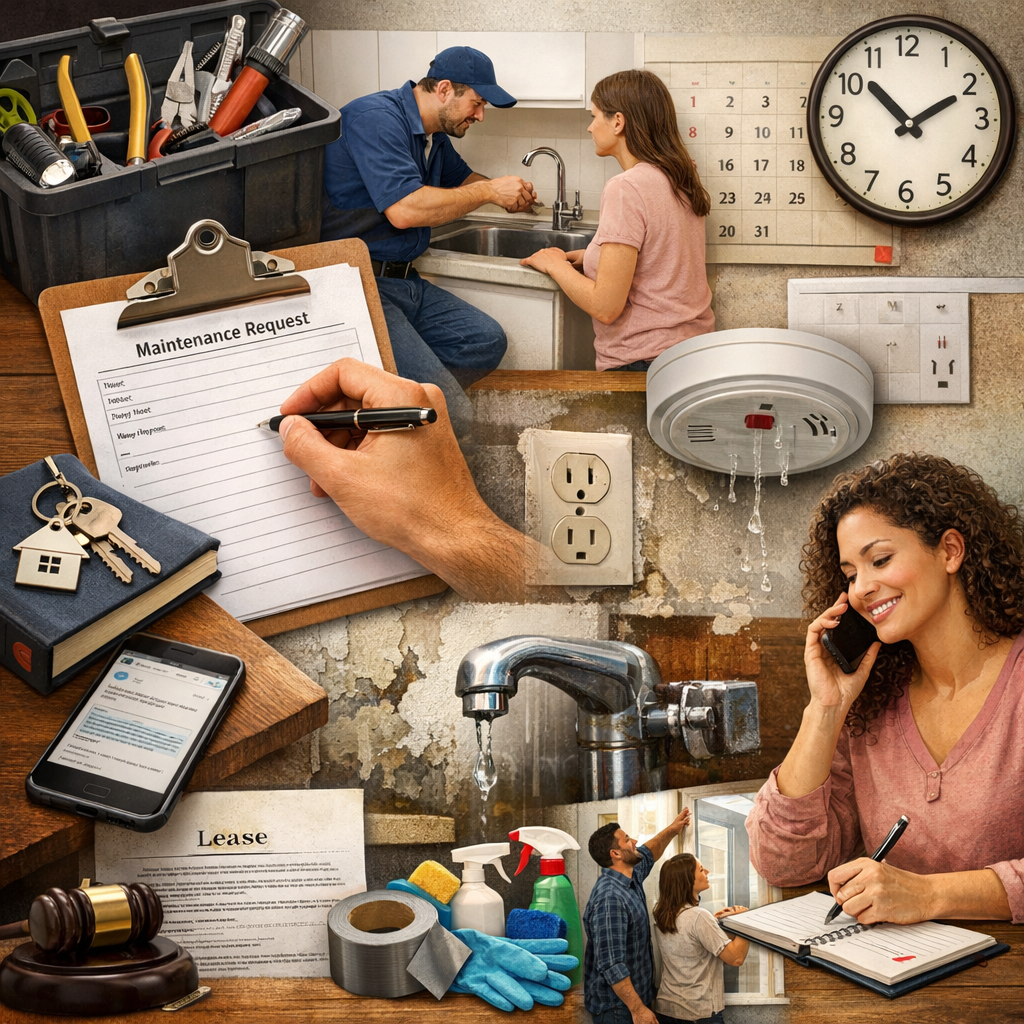
Always make your maintenance requests in writing, even if you first report the issue verbally. Written communication provides a record of your request and the date it was made. Many landlords offer online portals or email addresses for maintenance requests. If not, a formal letter or email works just as well. Include your name, address, contact information, and a detailed description of the issue.
4. Keep Records of All Communication
Maintain copies of all correspondence related to your maintenance request, including emails, letters, and text messages. If you speak with your landlord in person or over the phone, follow up with a written summary of the conversation. Documentation can be valuable if disputes arise or if repairs are delayed unreasonably.
5. Allow Reasonable Time for Repairs
Landlords are generally required to make repairs within a reasonable timeframe, depending on the severity of the issue. Emergency problems, such as lack of heat in winter or a major water leak, should be addressed immediately. Non-urgent repairs may take longer, but if your landlord fails to act after repeated requests, you may have legal options under local tenant laws.
6. Know Your Rights and Responsibilities
Tenant rights vary by location, but most jurisdictions require landlords to maintain rental properties in habitable condition. If your landlord neglects necessary repairs, you may be entitled to withhold rent, make the repairs yourself and deduct the cost, or terminate your lease. However, these actions should only be taken after consulting local housing authorities or legal counsel to ensure compliance with the law.
7. Follow Up and Confirm Completion
Once repairs are made, inspect the work to ensure the problem has been resolved properly. If the issue persists, notify your landlord immediately. Keeping open communication helps maintain a positive relationship and ensures your home remains safe and functional.
8. Prevent Future Issues
Regular maintenance and responsible living can help prevent many repair issues. Report small problems early before they become major concerns, and follow any maintenance guidelines provided in your lease. Simple actions like cleaning filters, avoiding drain clogs, and using appliances properly can extend the life of your rental’s systems and fixtures.
Conclusion
Requesting maintenance and repairs is a normal part of renting. By understanding your lease, documenting your requests, and communicating clearly with your landlord, you can ensure that issues are handled efficiently and fairly. Taking a proactive approach not only protects your rights but also contributes to a positive rental experience.
Leave a Reply