
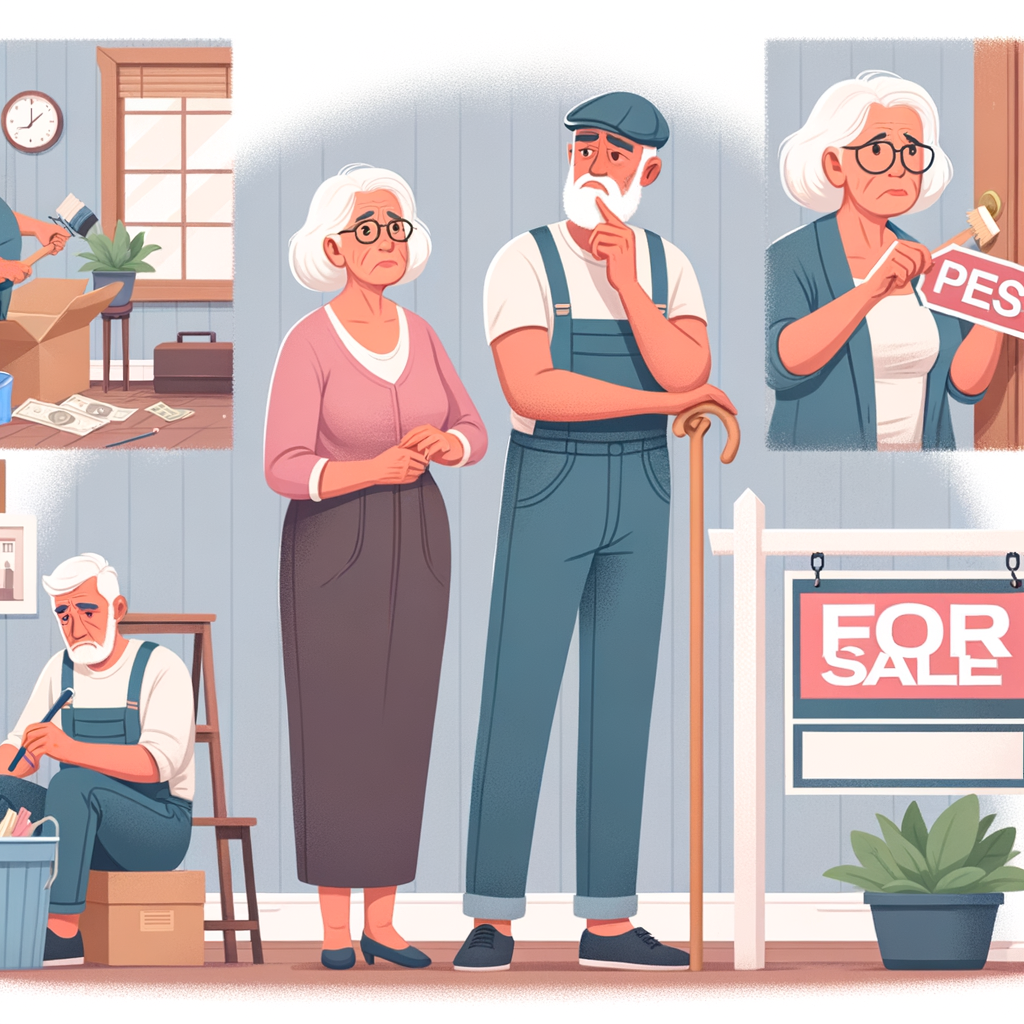
As children grow up and move out, many parents find themselves in a home that feels too large for their current needs. This transition to becoming an “empty nester” can be an emotional and logistical challenge. However, it also presents a unique opportunity to reassess living arrangements and potentially downsize. Crafting a strategic approach to selling your home can make this transition smoother and more rewarding.
Understanding Your Needs and Goals
The first step in crafting a home sale strategy is to clearly understand your needs and goals. Consider the following questions:
- Why do you want to sell your home? Is it for financial reasons, lifestyle changes, or to be closer to family?
- What are your priorities in a new home? Are you looking for a smaller space, lower maintenance, or a different location?
- What is your timeline for selling and moving?
Preparing Your Home for Sale
Once you have a clear understanding of your goals, the next step is to prepare your home for sale. This involves several key activities:
Decluttering and Depersonalizing
Empty nesters often have years of accumulated belongings. Decluttering is essential to make your home more appealing to potential buyers. Consider donating, selling, or storing items that you no longer need. Additionally, depersonalize your space by removing family photos and personal memorabilia to help buyers envision themselves in the home.
Making Necessary Repairs and Updates
Address any necessary repairs or updates that could impact the sale of your home. This might include fixing leaky faucets, repainting walls in neutral colors, or updating outdated fixtures. A well-maintained home can significantly increase its marketability.
Staging Your Home
Staging your home can help showcase its best features and make it more attractive to buyers. Consider hiring a professional stager or using online resources to learn how to arrange furniture and decor to highlight your home’s strengths.
Setting the Right Price
Pricing your home correctly is crucial to attracting buyers and achieving a successful sale. Work with a real estate agent to conduct a comparative market analysis (CMA) to determine a competitive price based on recent sales of similar homes in your area. Be realistic about your home’s value and be prepared to adjust the price if necessary.
Marketing Your Home
Effective marketing is key to reaching potential buyers. Your real estate agent should have a comprehensive marketing plan that includes:
- High-quality photos and virtual tours to showcase your home online.
- Listing your home on multiple real estate websites and social media platforms.
- Organizing open houses and private showings to attract interested buyers.
Navigating the Sale Process
Once you receive offers, your real estate agent will help you evaluate them and negotiate terms. Consider not only the offer price but also contingencies, closing timelines, and buyer qualifications. Be prepared for negotiations and work closely with your agent to achieve the best possible outcome.
Planning Your Next Steps
As you move forward with the sale, it’s important to plan your next steps. Whether you’re downsizing to a smaller home, moving to a new city, or exploring other living arrangements, having a clear plan will help ease the transition.
Conclusion
Selling your home as an empty nester can be a complex process, but with a well-crafted strategy, it can also be a rewarding experience. By understanding your goals, preparing your home, setting the right price, and effectively marketing your property, you can navigate this transition with confidence and success.
Leave a Reply